Black rhino
The crater is the most reliable place in northern Tanzania to look for this endangered species, often at a distance.
 Livingstone
Expedition Safaris · Arusha
Ngorongoro Conservation Area
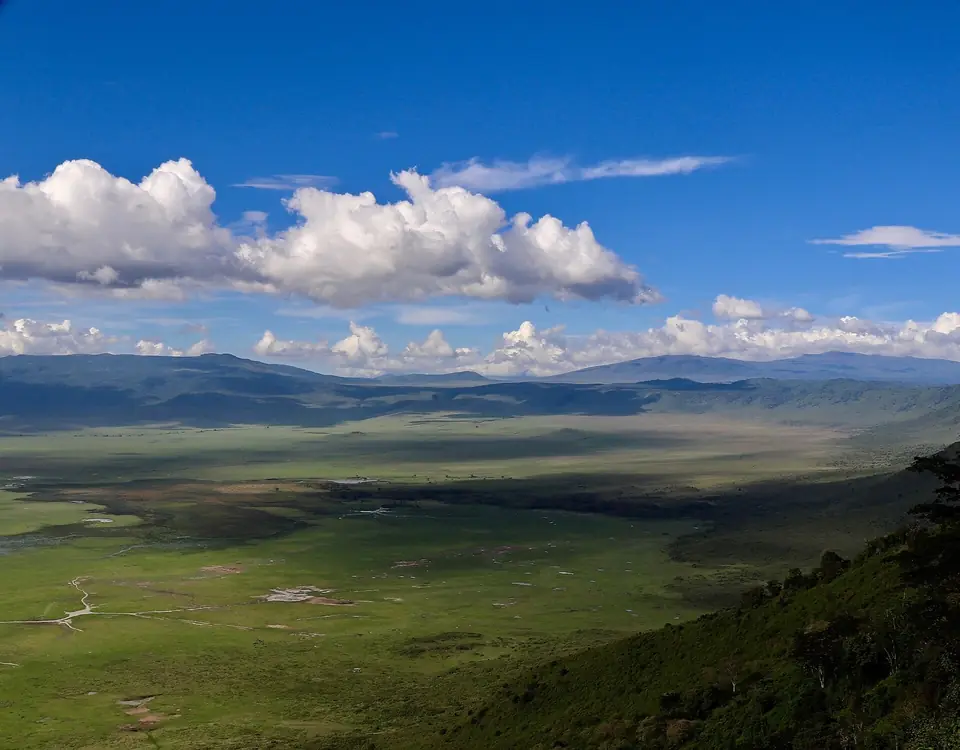
A vast volcanic caldera with dense wildlife on its floor, misty highland forest on its rim and one of the region’s best chances of seeing black rhino.
Overview
The Ngorongoro Crater is a collapsed volcano within the wider Ngorongoro Conservation Area, a UNESCO World Heritage Site. Its floor holds grassland, the Lerai fever-tree forest, swamps and the soda lake Magadi, with water available throughout the year.
Few places concentrate so much wildlife in such a dramatic setting. The Conservation Area is also a living landscape, where Maasai pastoralists graze their cattle alongside wildlife, making it different from Tanzania’s national parks.
The crater is the most reliable place in northern Tanzania to look for this endangered species, often at a distance.
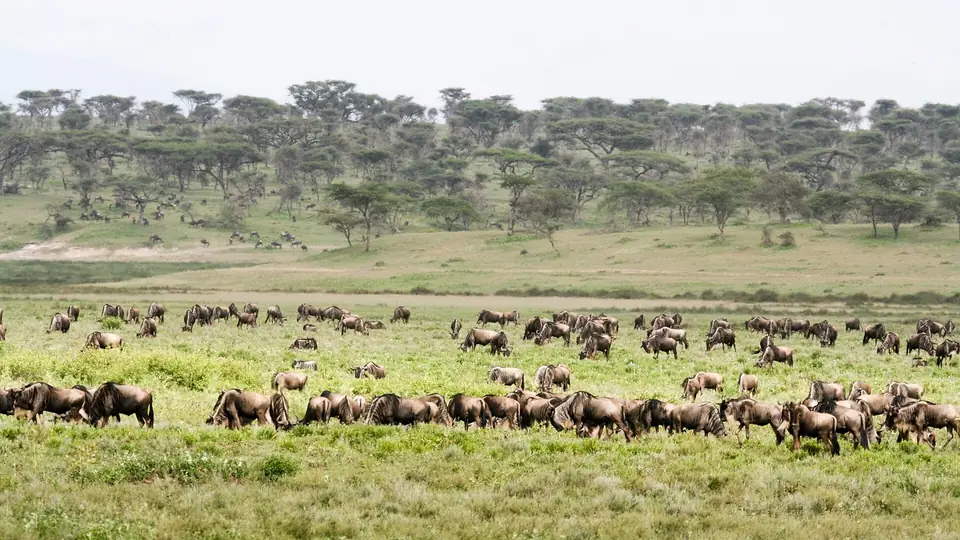
Grazers and predators live close together, so a single game drive can be exceptionally rich.
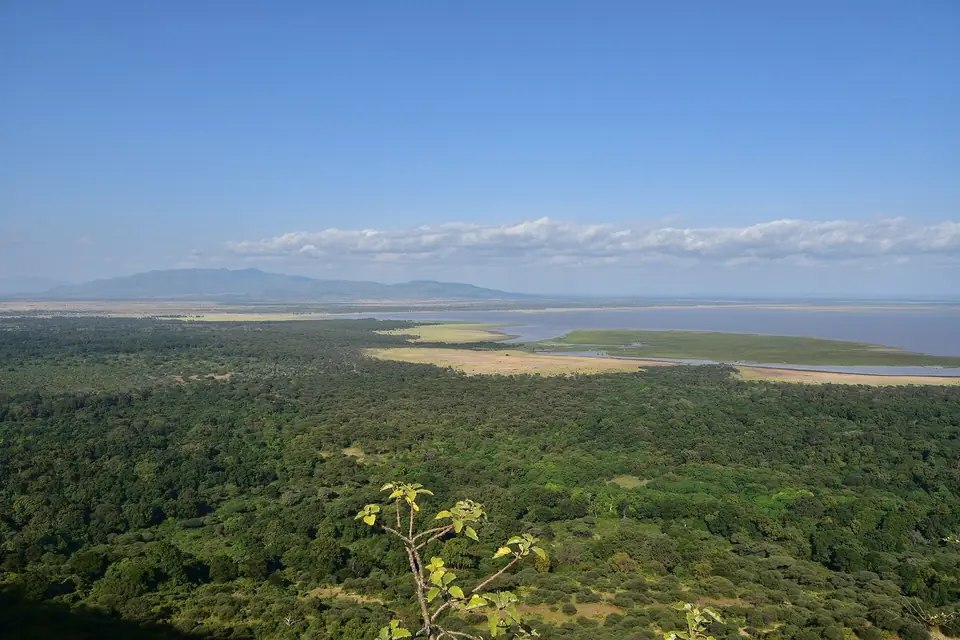
The view from the rim and the descent through highland forest are highlights in themselves.
The wider area includes Maasai communities and the famous Olduvai Gorge.
Wildlife & nature
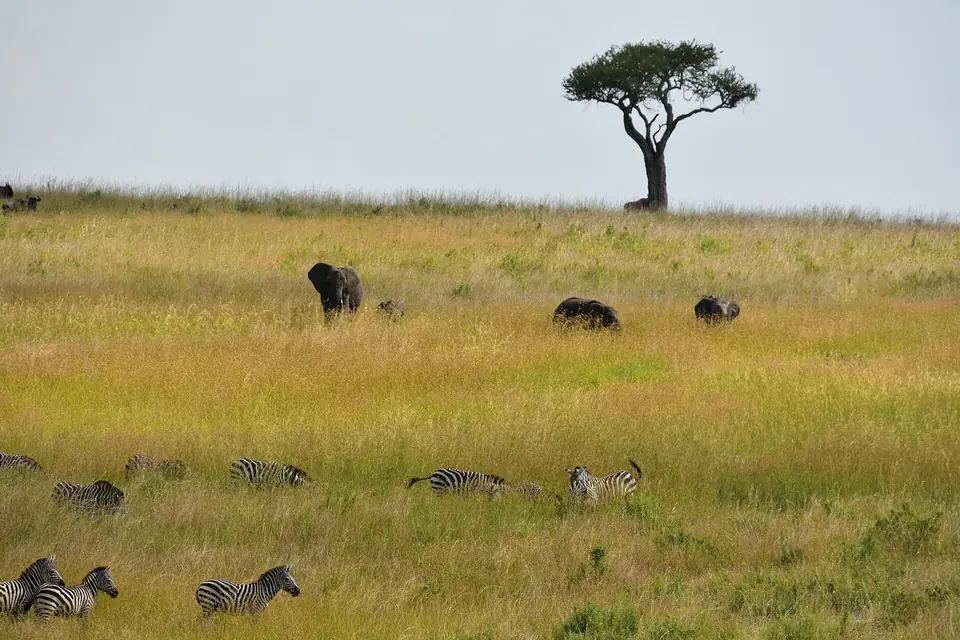
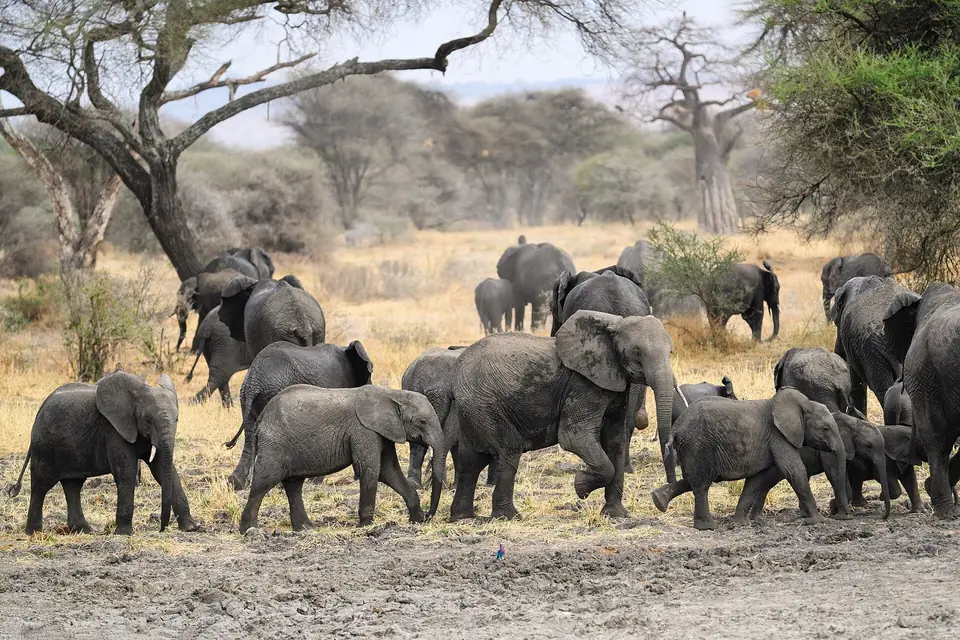
All of the Big Five are possible, although leopard is only seen occasionally and rhino often stay at a distance. Flamingos may gather on Lake Magadi depending on water levels.
Wildlife moves freely, so no sighting can be guaranteed.
Know the landscape
Open grassland, swamps, forest and Lake Magadi in one enclosed landscape.
A cool, forested ridge at around 2,300 metres, ideal for an early descent.
A renowned paleoanthropological site on the road towards the Serengeti.
A green farming area just outside the Conservation Area and a practical overnight base.
Experiences
A descent to the floor, usually with a picnic lunch at a designated site.
Guided walks can be arranged in permitted areas with an authorised ranger.
Respectful, locally guided visits offer an insight into pastoral life.
A worthwhile stop when travelling between the crater and the Serengeti.
Month by month
Prime: a strong matchGood: rewarding, with trade-offsQuieter: possible, less predictable
Good wildlife viewing with fresh grass, and easy to pair with calving at Ndutu.
Lush scenery and fewer visitors, though tracks can be muddy.
Easier roads and clear game viewing, but this is the busiest time on the crater floor.
The highlands turn green again and migratory birds begin to arrive.
Plan your visit
Most guests arrive by road as part of a northern circuit. Some itineraries use Manyara Airstrip and continue by vehicle.
| Route | By road | By air |
|---|---|---|
| Arusha → Ngorongoro | About 3½–4½ hours | — |
| Karatu → Crater rim | About 45 minutes | — |
| Ngorongoro → Central Serengeti | About 3 hours or more | — |
Lodges & camps
These are the lodges and camps used on our current Ngorongoro Crater itineraries. Availability changes, so your proposal confirms the best match for your dates and budget.
Private safaris
Good to know
Visits are limited to about six hours. We usually descend as early as the gates allow and have lunch at a designated picnic site.
No. It is a separate Conservation Area next to the Serengeti, and the two are often combined on one safari.
It is one of the best places to try, but sightings are never guaranteed and rhino often stay far from the road.
The rim gives dramatic views and a quick start. Karatu is warmer, greener and often offers better value, with a slightly longer drive.
The rim sits around 2,300 metres, so early mornings and evenings can feel cold throughout the year.
Keep exploring
Tell us your dates, group and interests. We’ll suggest the right area, pace and lodges for your trip.
Tailor this destination