The Great Migration
Follow one of the world’s great wildlife movements, from the calving plains in the south to the Mara River in the north.
 Livingstone
Expedition Safaris · Arusha
Serengeti National Park
Tanzania’s most celebrated wilderness, home to the Great Migration, exceptional big cats and some of the widest horizons in Africa.
Overview
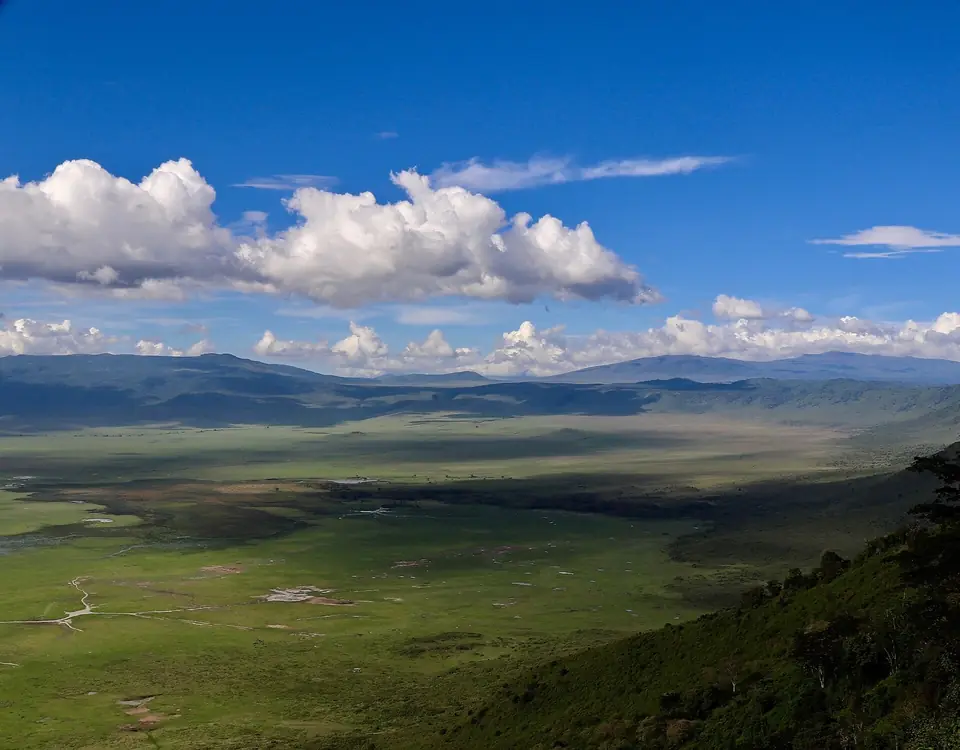
The Serengeti is a vast mosaic of open grassland, acacia savannah, riverine woodland and granite kopjes. Its name is commonly traced to the Maasai word for endless plains, and the description still feels exact when the land opens out in every direction.
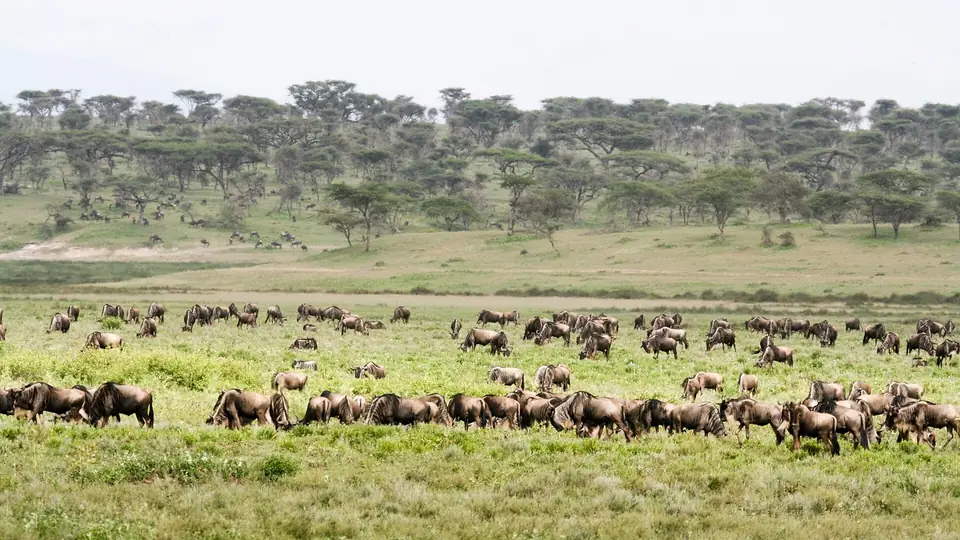
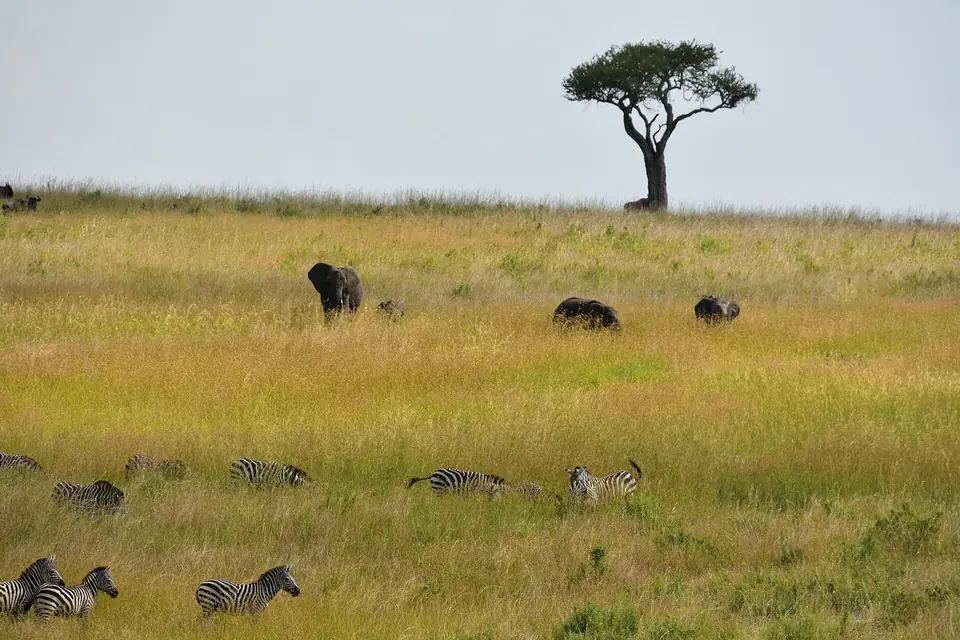
What makes it remarkable is movement. Huge herds of wildebeest and zebra travel through the wider ecosystem in search of rain and fresh grazing, followed by lions, hyenas and other predators. Because the herds change position through the year, the right part of the park depends on when you travel.
Follow one of the world’s great wildlife movements, from the calving plains in the south to the Mara River in the north.
Central Serengeti is one of Africa’s most dependable areas for lion, leopard and cheetah.
Northern and remote areas offer long views and quieter sightings, especially with a private vehicle.
Resident wildlife remains year-round, so a well-planned route is rewarding in any season.
Wildlife & nature
Expect a broad cast of plains game and predators. Black rhino are present but rarely seen here, so the Ngorongoro Crater is usually the better place to look for them.
Wildlife moves freely, so no sighting can be guaranteed.
Know the landscape
The Seronera valley has water and resident prey all year, making it a strong first choice.
Short-grass plains attract the herds after the rains and connect with Ndutu.
The Grumeti River area can host the herds as they move north, depending on the rains.
Kogatende and Lamai are quieter, hillier and cut through by the Mara River.
Experiences
Morning, afternoon or full-day drives in a private 4×4, with time to stay at a sighting.
An optional sunrise flight over the plains, subject to availability and at additional cost.
Available in permitted areas with an armed ranger and qualified guide.
Early light, kopjes and predator activity make the park superb for photographers.
Month by month
Prime: a strong matchGood: rewarding, with trade-offsQuieter: possible, less predictable
Herds gather around the southern plains and Ndutu, and predators follow the newborn calves.
Green scenery and fewer vehicles, though some roads become difficult and some camps close.
Wildlife is easier to spot, and Mara River crossings generally occur from July to October.
The land turns green again as the herds begin moving back towards the south.
Plan your visit
Many guests drive in to see the landscape change and fly out to save a long road day. Main airstrips include Seronera, Kogatende and Ndutu.
| Route | By road | By air |
|---|---|---|
| Arusha → Central Serengeti | About 8–10 hours | About 1h10–2h |
| Ngorongoro → Central Serengeti | About 3 hours or more | — |
| Serengeti → Zanzibar | — | About 1h50 |
Lodges & camps
These are the lodges and camps used on our current Serengeti itineraries. Availability changes, so your proposal confirms the best match for your dates and budget.
Private safaris
Good to know
Three to four nights is ideal. Two nights is a realistic minimum, while a longer stay gives you more time to follow wildlife and combine different areas.
January to March is typically best for calving in the south, and July to October for Mara River crossings in the north. Timing depends on rainfall and changes every year.
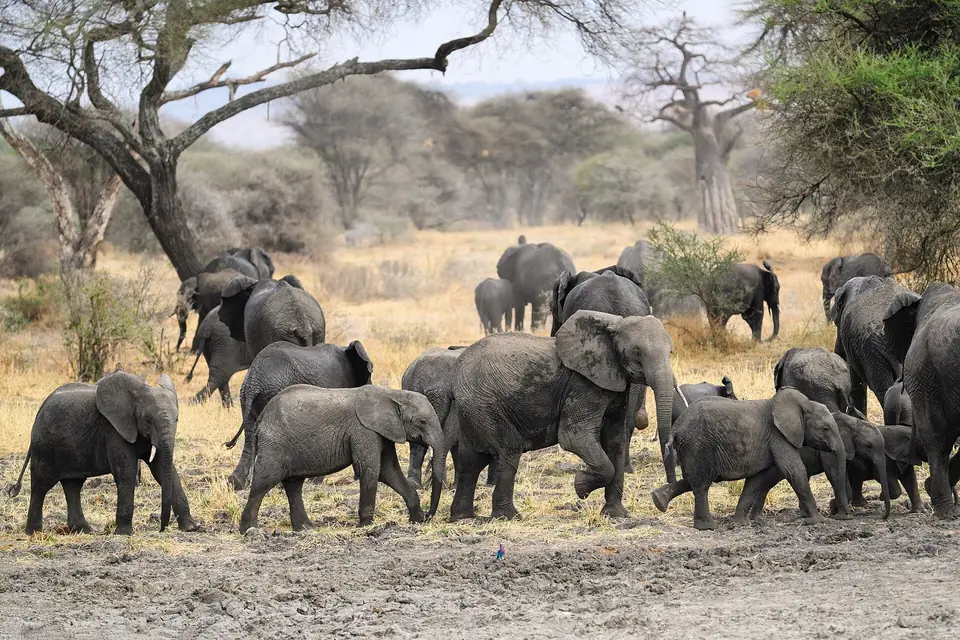
Lion, elephant, buffalo and leopard are all possible. Rhino are rarely seen in the Serengeti, so pairing it with the Ngorongoro Crater gives a better chance of the full Big Five.
Driving shows you the changing landscape and suits a classic circuit. Flying saves many hours and is especially useful for reaching the far north.
Yes, with the right pace. Long drives can be tiring, and camps set their own minimum ages, so tell us your children’s ages when you enquire.
Keep exploring
Tell us your dates, group and interests. We’ll suggest the right area, pace and lodges for your trip.
Tailor this destination